
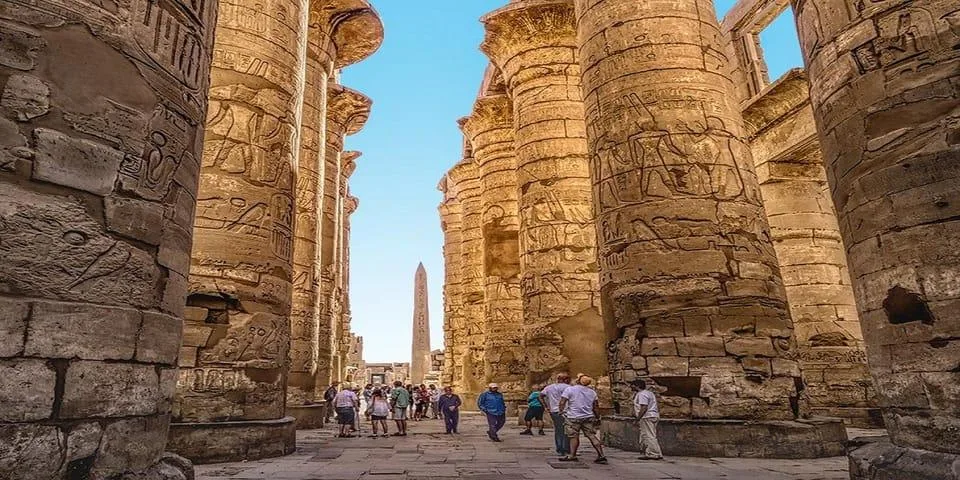
Luxor is one of the most remarkable places to visit in Egypt. Known as ancient Thebes, the city is home to magnificent temples, royal tombs, ancient villages, and beautiful views of the Nile. Whether you are interested in ancient Egyptian history, local culture, or peaceful moments by the river, Luxor offers something special for every traveler.
How Many Days Do You Need in Luxor?
We recommend spending at least two full days in Luxor to see its main attractions without rushing.
East Bank and West Bank
Luxor is divided by the Nile River into two main areas, each offering a different experience. East Bank attractions include Karnak Temple and Luxor Temple. Today, it is also home to many hotels, restaurants, shops, and local markets.
West Bank
The West Bank was associated with the world of the dead and the burial places of ancient Egyptian kings and nobles. Here you can visit the Valley of the Kings, the Temple of Hatshepsut, the Colossi of Memnon, and several ancient tombs and archaeological sites.
Best Time to Visit Luxor
The best time to visit Luxor is from October to April, when the weather is generally cooler and more comfortable for sightseeing. Winter is especially pleasant for exploring temples and tombs. During the summer months, temperatures can become very high, so it is better to start your visits early in the morning and avoid the midday sun.
Top Experiences You Should Not Miss
Beyond visiting the famous temples, Luxor offers several memorable experiences:
What to Wear and Bring
Luxor can be very sunny, especially during the warmer months. Comfortable walking shoes are important because many archaeological sites involve walking over uneven ground. We recommend bringing: Comfortable and light clothing. A hat and sunglasses. Sunscreen.
Local Food and Egyptian Hospitality
Trying local Egyptian food is part of the experience. You can enjoy traditional dishes such as koshari, ful medames, taameya, grilled meats, and freshly baked Egyptian bread. On the West Bank, you can also find small family-run restaurants and local homes where visitors can experience traditional Egyptian hospitality and enjoy a home-cooked meal.
Published 12 November 2026


